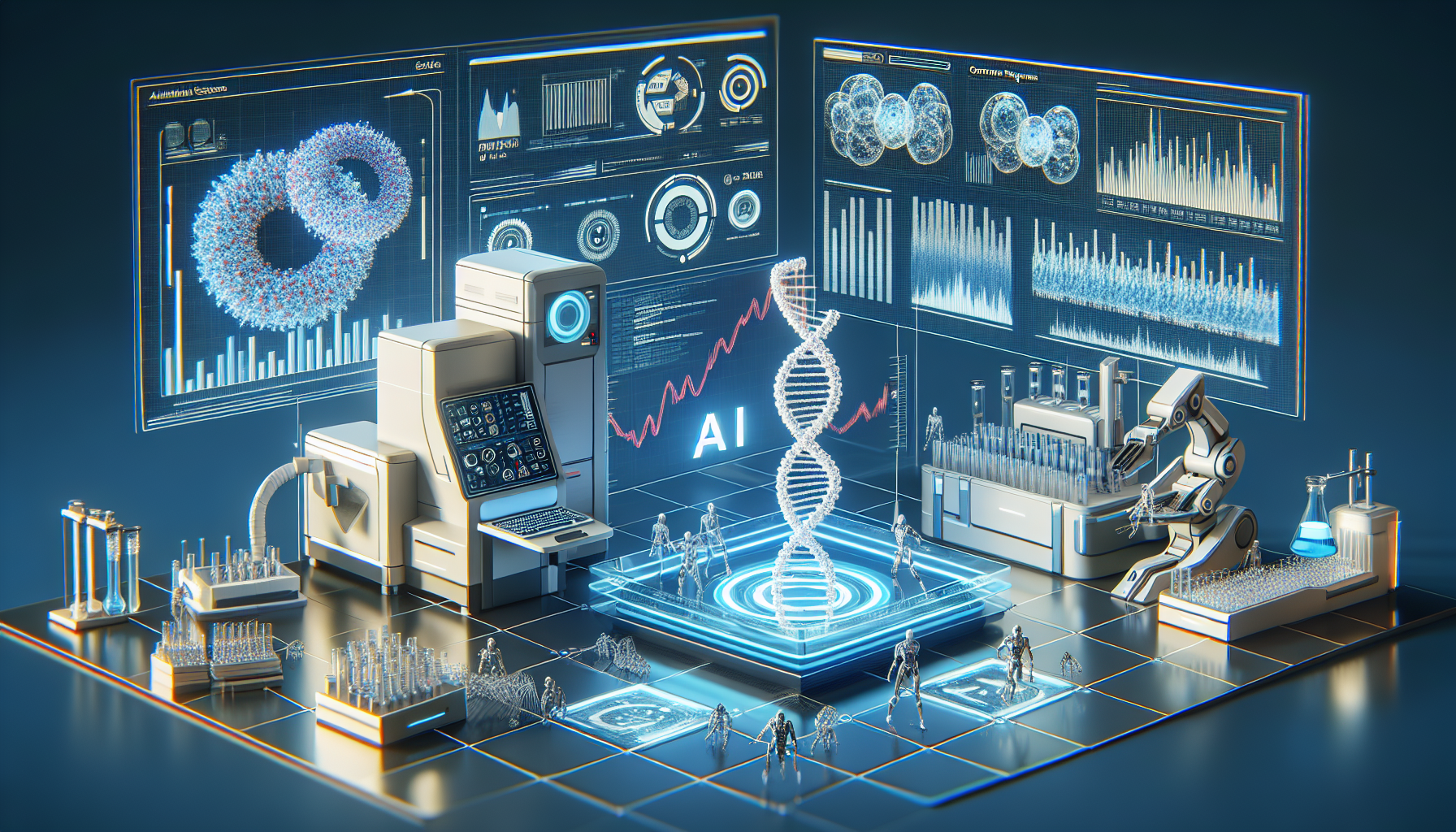
Impact of AI on Biotechnology: Automation Techniques in Genome Sequencing and Data Analysis for 2024
Introduction
The integration of Artificial Intelligence (AI) into biotechnology has revolutionized various aspects of research and development, particularly in genome sequencing and data analysis. As we move into 2024, these advancements are not only enhancing the efficiency and accuracy of genetic analyses but also significantly reducing costs and time required for research. This blog explores the latest automation techniques in genome sequencing empowered by AI and their impact on biotechnology.
Automation in Genome Sequencing
Advancements in AI-Driven Sequencing Machines
Automated sequencing machines, which incorporate AI algorithms, have transformed traditional sequencing methodologies. Key benefits include:
– Increased speed: AI algorithms can process large volumes of data much faster than manual methods.
– Higher accuracy: Enhanced error correction techniques reduce the occurrence of sequencing errors.
– Reduced costs: Automation decreases the need for extensive manual labor, lowering overall expenses.
AI in Sequencing Techniques
Modern sequencing technologies, such as single-molecule real-time (SMRT) sequencing and nanopore sequencing, are increasingly integrating AI to improve their throughput and reliability. These innovations allow for:
– Real-time data analysis: On-the-fly processing of sequencing data, enabling immediate adjustments and decision-making.
– Advanced pattern recognition: AI can identify complex genetic patterns more efficiently than human analysis.
AI-Driven Data Analysis
Enhanced Genomic Data Interpretation
AI tools and machine learning models are being increasingly used to interpret vast amounts of genomic data, offering insights that are crucial for scientific research, including:
– Gene expression analysis: Identifying how genes interact in different conditions.
– Genetic disorder research: AI can quickly pinpoint genetic mutations and linkages to specific diseases.
– Drug development: Accelerating the identification of potential drug targets through robust genomic analyses.
Predictive Modeling and Simulation
AI facilitates predictive modeling which helps in predicting genomic trends and the impact of genetic modifications. Simulation tools powered by AI also allow for virtual experiments that can predict outcomes before physical trials begin, saving both time and resources.
Conclusion
As we look towards 2024, the role of AI in genome sequencing and data analysis is indisputably pivotal in driving forward biotechnological research and application. The enhancements in speed, accuracy, and costs brought about by AI not only streamline genetic research but also open new avenues in personalized medicine and therapeutic interventions. With ongoing advancements, the future of biotechnology looks promising, marked by increasingly sophisticated AI-driven innovations.