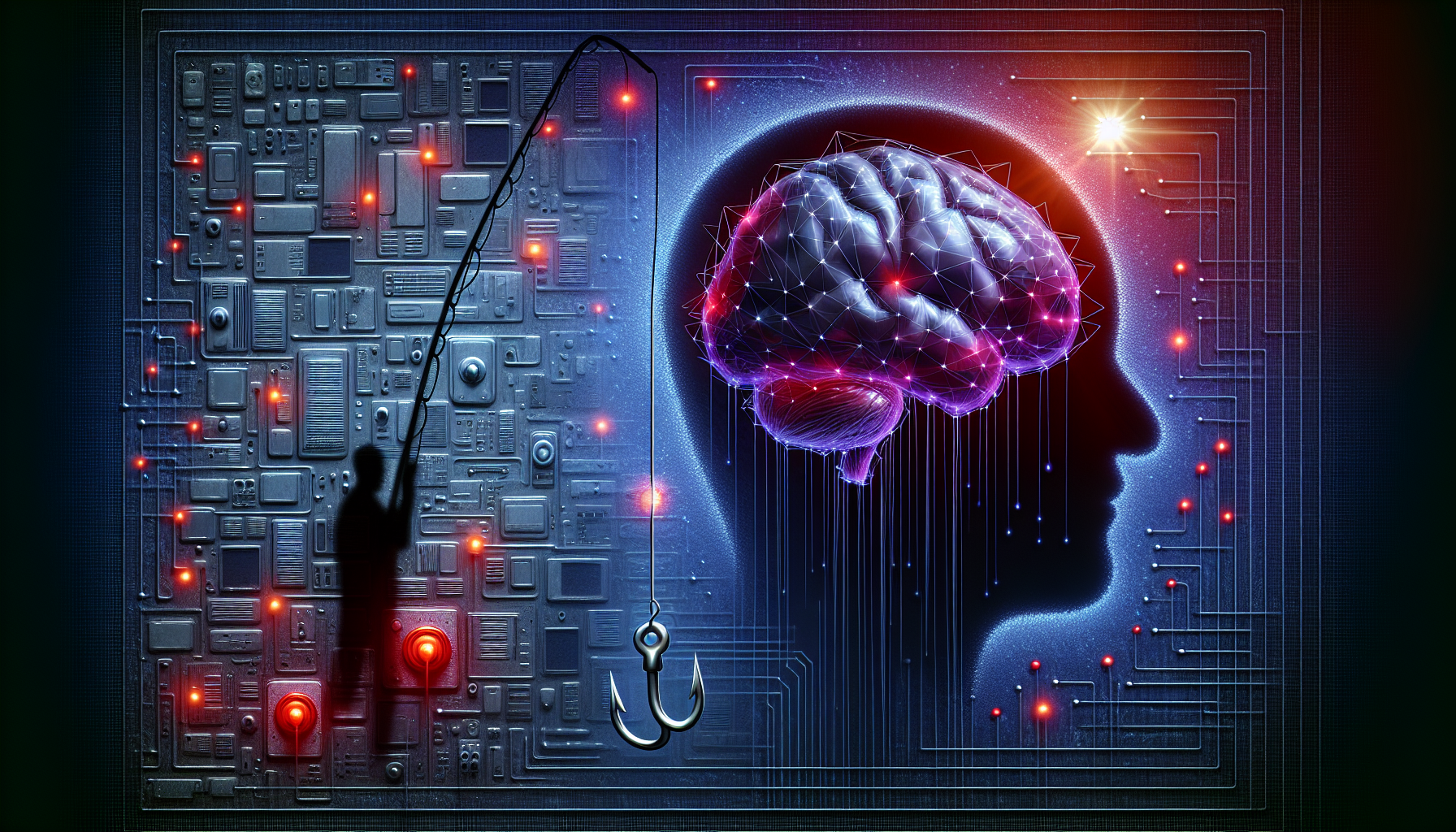
The Psychology of Phishing: Understanding and Preventing Social Engineering Attacks
Phishing is a type of social engineering attack that is commonly used to steal user data, including login credentials and credit card numbers. It occurs when an attacker, masquerading as a trusted entity, dupes a victim into opening an email, instant message, or text message. This insider’s guide explores the psychological triggers involved in phishing attacks and how to defend against them.
The Psychological Triggers in Phishing
Fear
- Urgency: Attackers often craft messages with a sense of urgency, prompting the victim to act quickly, bypassing rational thought processes.
- Threats: Phishing attempts may include threats, such as the suspension of an account, compelling victims to react to avoid negative consequences.
Greed
- Gifts and Rewards: Emails that promise exclusive offers or monetary rewards tempt recipients to click on malicious links or provide sensitive information.
Curiosity
- Intriguing Requests: Phishers may pique interest with unusual requests or information that seems too tantalizing to ignore, leading to unwise decisions to explore further.
Authority
- Imitating Leaders: By impersonating CEOs or known figures, attackers exploit the human tendency to obey authority figures without questioning.
Common Tactics Used in Phishing Attacks
Email Phishing
- The most classic approach involves sending fraudulent emails that appear to originate from reputable sources.
Spear Phishing
- Targeting specific individuals or companies, these tailored emails can be more difficult to detect because of their personalized nature.
Clone Phishing
- Involves creating an almost identical replica of a legitimate email, including genuine hyperlinks that have been replaced with malicious ones.
Vishing and Smishing
- Vishing (voice phishing) and smishing (SMS phishing) are tactics that use phone calls and text messages to reach potential victims.
Strategies for Preventing Phishing Attacks
Education and Awareness
- Regular training sessions can help individuals recognize phishing techniques and the importance of verifying communications.
Technical Defenses
- Employing advanced spam filters, two-factor authentication (2FA), and updated antivirus software can significantly reduce the risk of phishing attacks.
Policy and Security Practices
- Establishing a clear protocol for handling suspicious emails and regular security assessments are crucial for maintaining safety.
Conclusion
Understanding the psychology behind phishing can empower both individuals and organizations to recognize and effectively counter these threats. By integrating systematic education, robust technical defenses, and stringent policies, one can create a formidable barrier against the deceitful tactics of phishers.