Harnessing AI for Smart Traffic Systems: A Look at How Automation is Shaping Modern Urban Mobility
Introduction
As urban populations grow, efficient management of traffic becomes crucial for reducing congestion, enhancing safety, and improving environmental sustainability. Artificial intelligence (AI) offers innovative strategies to tackle these challenges, revolutionizing how cities manage their traffic systems.
The Role of AI in Traffic Management
Understanding Traffic Flow Through AI
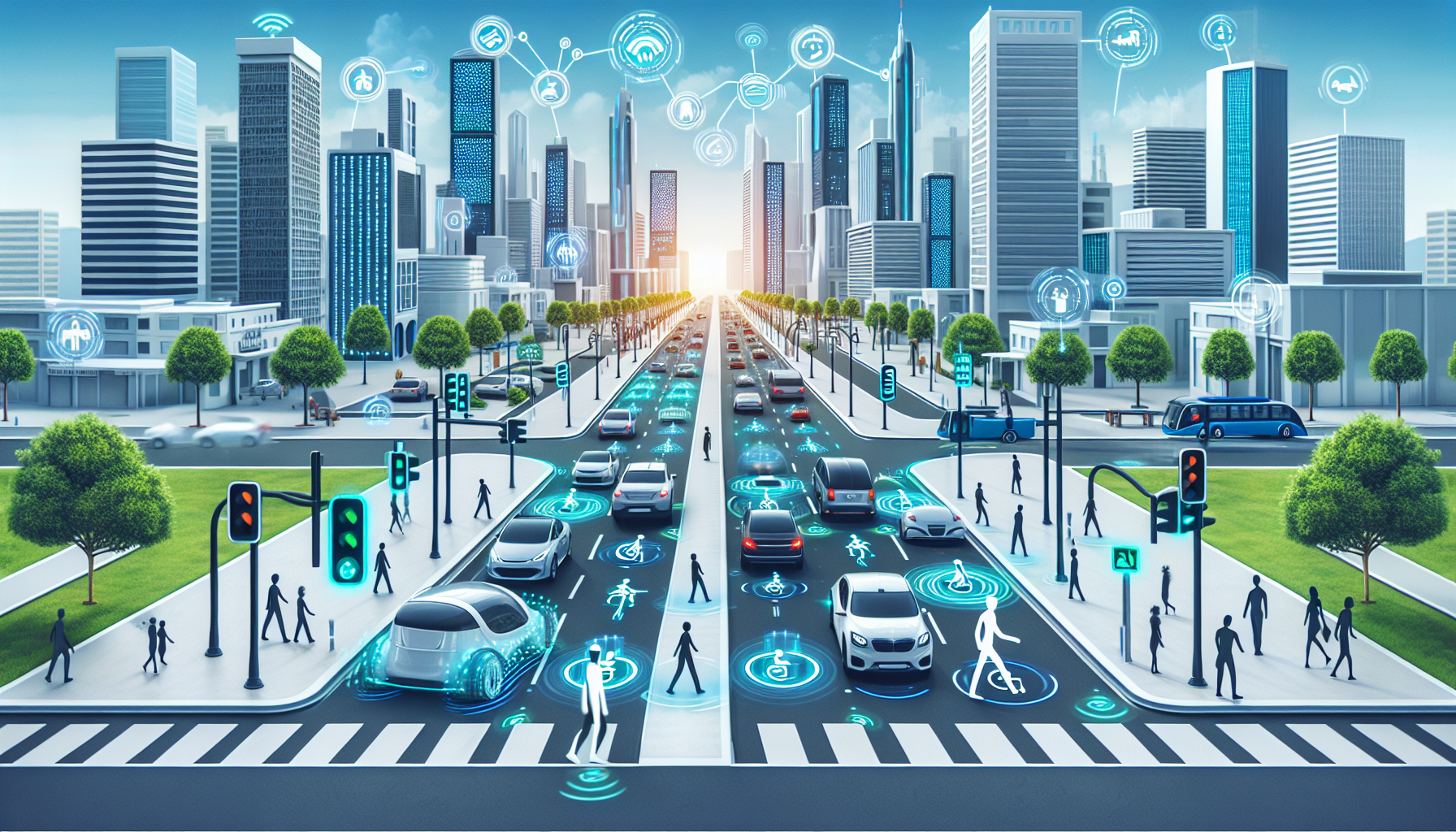
AI systems gather and analyze vast amounts of data from various sources, including traffic cameras, sensors, and GPS devices embedded in vehicles. This data helps in:
- Predicting traffic conditions: AI can forecast traffic congestions, road closures, or accident-prone zones by analyzing historical and real-time data.
- Optimizing traffic lights: AI algorithms can adjust the timing of traffic lights to improve traffic flow and reduce waiting times.
AI-Driven Solutions for Traffic Control
Advanced AI solutions include:
- Dynamic traffic routing: AI systems provide alternative routes to drivers in real-time, depending on current traffic conditions to avoid congestions.
- Automated Traffic Control Systems (ATCS): These systems use AI to manage the entire traffic light network, optimizing the flow across a city.
Benefits of AI in Urban Traffic Systems
- Reduced commute times and fuel consumption by minimizing stops and delays.
- Enhanced safety through predictive analytics that help in identifying and mitigating potential accidents before they occur.
- Lower emissions: Efficient traffic flow leads to fewer idling engines, thus reducing air pollution.
Challenges and Considerations
Despite its advantages, the integration of AI into traffic management comes with challenges:
- Data privacy and security: Handling the vast amounts of data collected from citizens can pose privacy issues.
- Infrastructure costs: Upgrading to AI-enabled systems can be expensive for many cities.
- Technical complexities and dependencies: The reliability of AI-driven traffic systems depends heavily on the uninterrupted data flow and sophisticated algorithms.
Conclusion
The implementation of AI in traffic systems opens new avenues for improving urban mobility. By continuously studying patterns and predicting issues, AI-driven traffic management can significantly alleviate urban traffic woes, making cities more livable and sustainable. As we move forward, it is crucial to address the challenges to fully harness the potential of AI in transforming urban traffic landscapes.