Accelerating Software Delivery in 2024: How AI Can Enhance CI/CD Pipelines
As we step into 2024, the demand for faster and more efficient software delivery is at an all-time high. Businesses are increasingly turning towards Continuous Integration (CI) and Continuous Deployment (CD) pipelines to streamline their development workflows. However, as these environments become more complex, the incorporation of Artificial Intelligence (AI) can significantly elevate the efficiency and effectiveness of these processes.
Introduction to CI/CD with AI
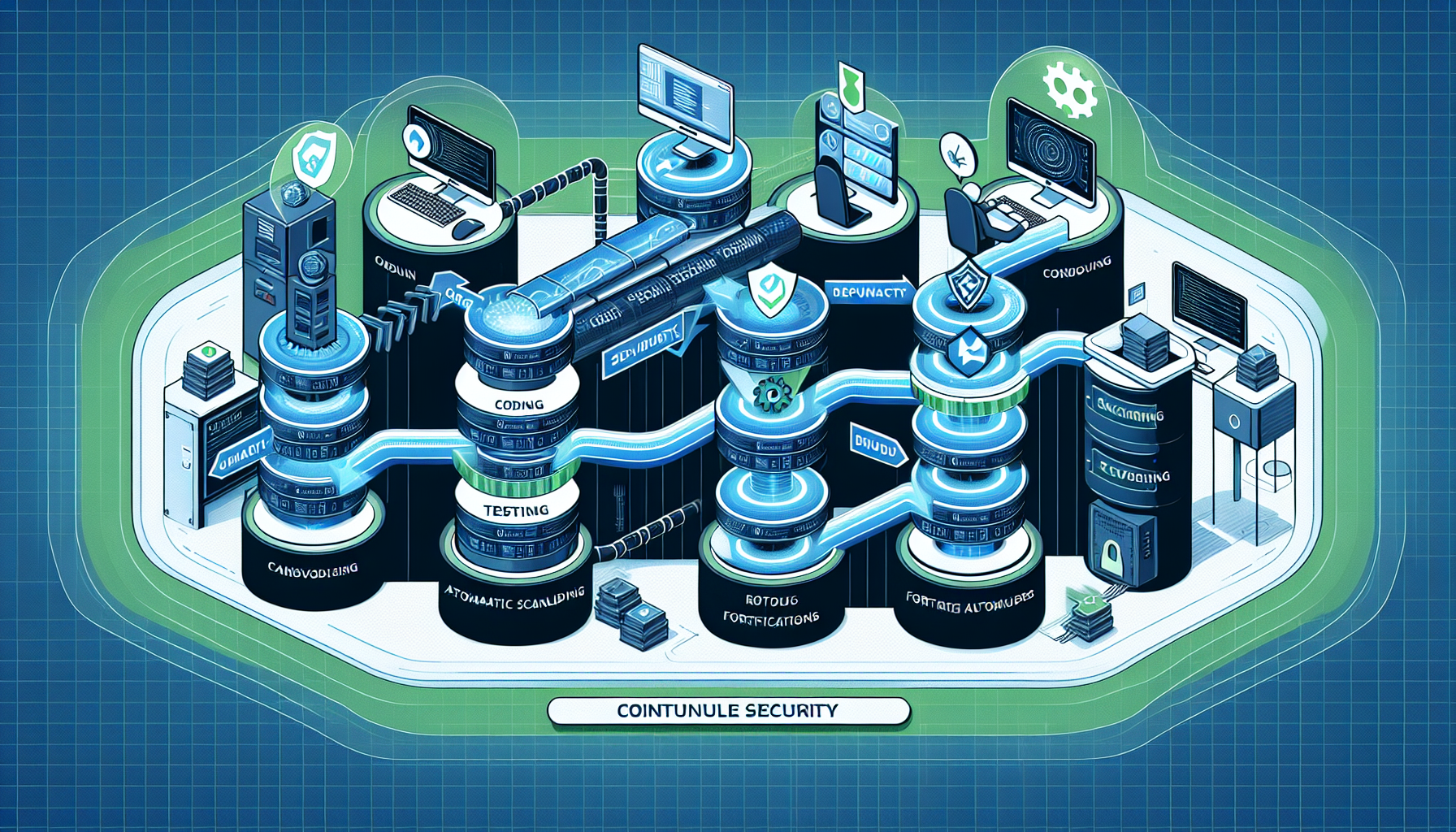
Continuous Integration and Continuous Deployment (CI/CD) are fundamental methodologies in modern software development. They promote the automation of testing and deployment, which helps in delivering reliable software faster and more efficiently. By integrating AI into these pipelines, developers can automate complex tasks, predict potential issues, and deliver better software at greater speeds.
AI-Enhanced Features in CI/CD Pipelines
Automated Quality Assurance
- Smart Testing: AI can predict high-risk areas of the code, prioritizing them for testing. This not only reduces the manual effort but also ensures that critical issues are addressed promptly.
bash

  # Example of an AI-based testing command

  ai-test --code-path ./src --priority high
- Visual Testing: Uses AI to automatically detect visual discrepancies between expected and current UI renders. This can be crucial for apps where user experience is paramount.
Advanced Code Analysis
- Code Reviews: AI tools can analyze code changes in a pull request and provide automated reviews, spotting potential issues that a human might miss.
bash

  # Example AI-driven code review command

  ai-review --pull-request 102
- Bug Prediction: AI models can analyze the history of the code repository to predict where future bugs might occur, allowing proactive issue resolution.
Optimization of Resources
-
Dynamic Resource Allocation: AI can optimize infrastructure usage by predicting the resources needed for each task, reducing waste and saving cost.
-
Load Forecasting: Predicts incoming traffic and adjusts server capacity in advance, ensuring smooth deployments and operations.
Case Studies
Several leading technology firms have successfully integrated AI into their CI/CD pipelines, witnessing significant improvements in deployment times and error rates. For instance, a tech giant noted a 30% reduction in their deployment failures after adopting AI-based predictive analytics.
Challenges and Considerations
While AI provides numerous enhancements, it is also associated with challenges such as data privacy, increased complexity, and the need for teams to adapt to new technologies. An effective implementation requires thoughtful integration, prioritizing transparency and team training.
Conclusion
The integration of AI into CI/CD pipelines not only enhances software delivery speeds but also improves the quality and reliability of the applications. As we continue into 2024, leveraging AI in these processes will become increasingly crucial as businesses strive for efficiency and competitiveness in the digital landscape.