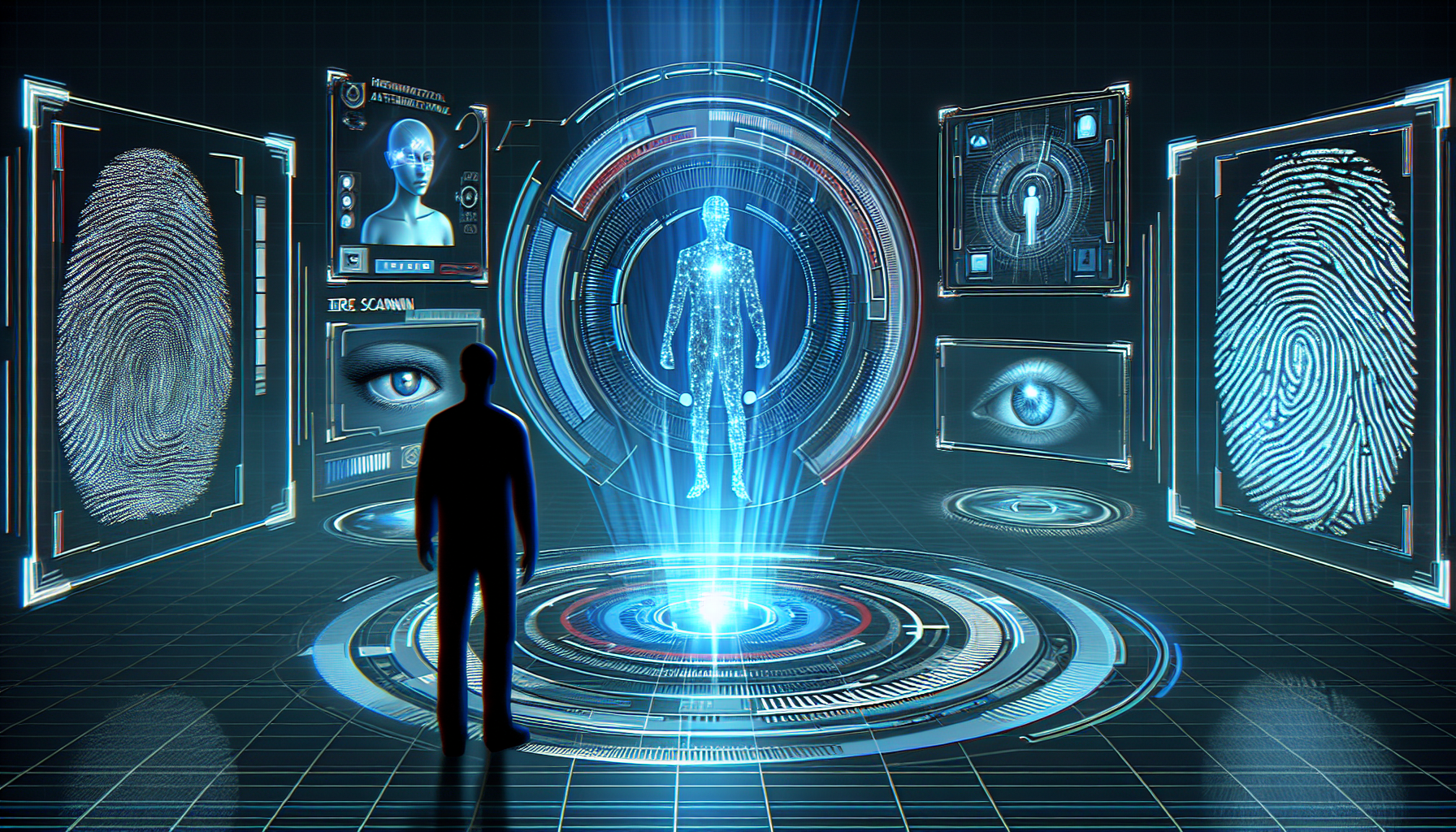
Beyond Passwords: Advances in Behavioral Biometrics for User Authentication and Security
As digital security concerns continue to grow, the search for effective and secure authentication methods becomes increasingly vital. Traditional security measures such as passwords, PINs, and even physical biometrics like fingerprints have proven to be vulnerable in various scenarios. In response, the field of behavioral biometrics has emerged as a promising frontier in cybersecurity, offering a unique combination of user convenience and security.
What are Behavioral Biometrics?
Behavioral biometrics are methods of human identification based on unique patterns in personal activities. Unlike physical biometrics that require biological elements (e.g., fingerprints, iris patterns), behavioral biometrics focus on the way an individual interacts with devices, including dynamics in typing, mouse movements, and even walking patterns.
Key Characteristics
- Inherent: Behavioral biometrics are inherently integrated into activities that do not require special actions or behaviors from the user.
- Distinctive: Each individual has unique patterns that can be difficult to replicate or mimic by others.
- Dynamic: These patterns can evolve over time, which helps systems adapt to changes in a user’s behavior.
- Non-intrusive: The technology operates in a non-invasive manner, making it less overt and more comfortable for users.
Advancements in Authentication Methods
The advancements in behavioral biometrics for user authentication are not only innovative but also critical in tackling sophisticated threats that traditional methods cannot withstand.
Continuous Authentication
One significant advancement is the move towards continuous authentication. Here, the system continually analyzes the user’s behavior throughout their session, which means that security checks go beyond the initial login phase. This method can identify anomalies that may indicate unauthorized access.
Application in Everyday Devices
Many modern devices, including smartphones and laptops, are starting to incorporate behavioral biometric technologies, utilizing sensors like accelerometers and sophisticated software algorithms to recognize and authenticate users based on their regular interactions with the device.
Enhanced Security Protocols
- Integration with AI and ML: These technologies help in refining data analysis, enhancing the accuracy of user identification.
- Anomaly Detection: Systems are trained to detect deviations from a user’s regular pattern, which alerts security mechanisms to potential fraud or hacking attempts.
- Multi-factor Authentication (MFA): Behavioral biometrics can be combined with other forms of authentication for layered security, reducing the reliance on any single identification method.
Challenges and Considerations
Despite its many benefits, the deployment of behavioral biometrics also faces several challenges that need attention.
- Privacy Concerns: There is a need for clear policies and measures to protect user privacy and data.
- Performance Variability: Factors like physical or emotional conditions can alter behavior, potentially affecting the reliability of the system.
- Adaptability and Scalability: Adapting these systems for widespread use across different platforms and devices remains a challenge.
Conclusion
Behavioral biometrics represent a significant shift in authentication technologies, offering a blend of security and user experience that traditional methods find hard to match. As this technology evolves, it is poised to become a standard part of how we manage security in our increasingly digital world. Continued investment in research and thoughtful consideration of ethical implications are essential to fully realize its potential while responsibly addressing any concerns.