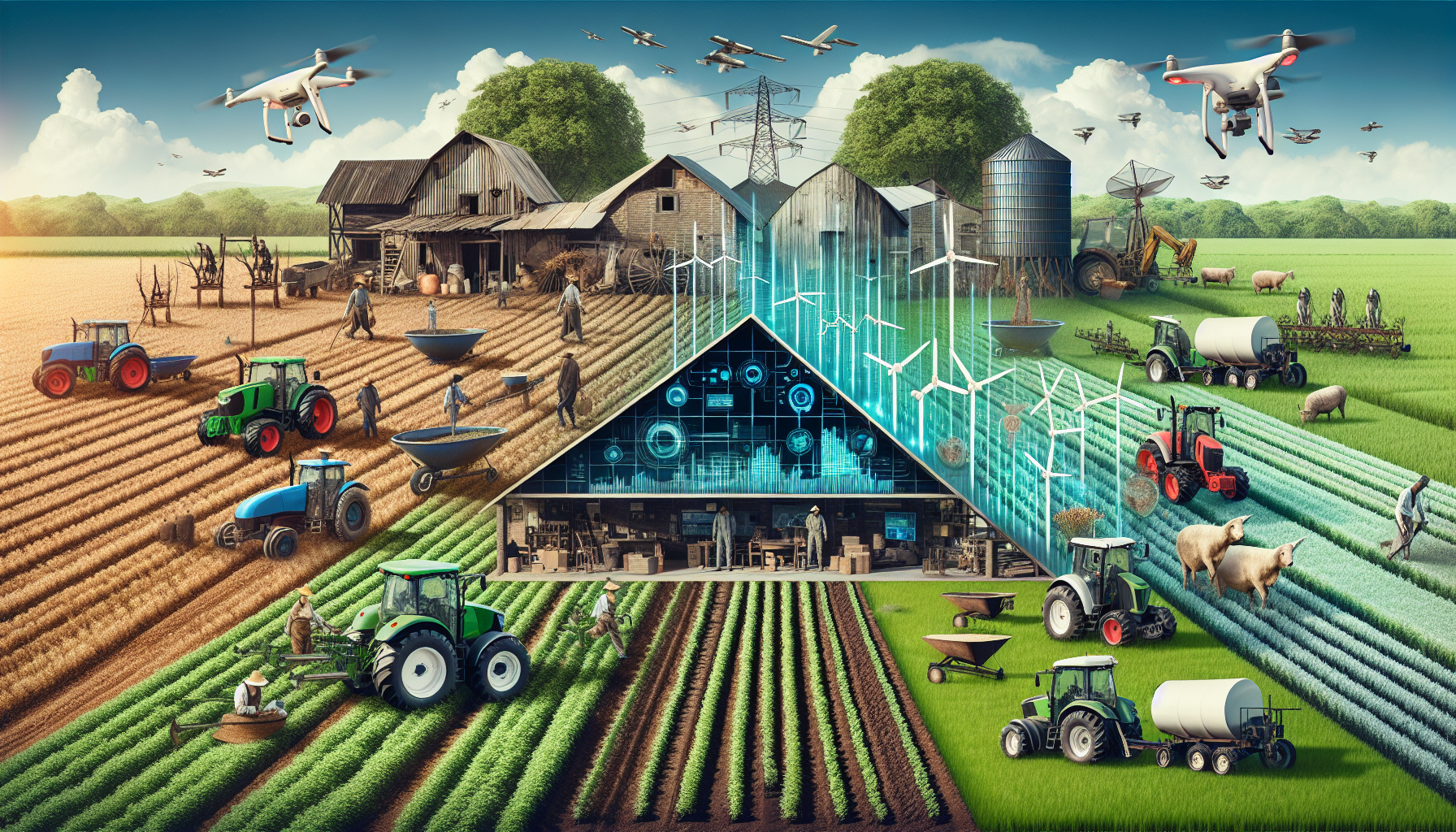
Transforming Rural Industries: The Impact of AI and Automation in Agriculture
Introduction
Agriculture has historically been a cornerstone for civilizations, fundamentally shaping economies and societies. As the world evolves, so too does the approach to agricultural practices. The introduction of artificial intelligence (AI) and automation is creating substantial shifts in how rural industries operate, enhancing productivity, optimizing resource management, and transforming the livelihoods of those within the sector.
The Role of AI and Automation in Modern Agriculture
Enhanced Crop Management
AI and automation are revolutionizing the way farmers manage crop cultivation through:
- Precision Farming: AI-driven technologies such as drones and satellite imagery allow for precise monitoring of crop health, soil conditions, and weather patterns. This enables highly accurate planting, watering, and treatment interventions.
- Predictive Analytics: Advanced algorithms can predict crop growth patterns and potential pest threats, allowing for preemptive actions that save time and resources.
- Automated Machinery: From automatic seeders to self-driving tractors, machines now perform tasks that were traditionally labor-intensive, reducing the physical strain on farmers and increasing the efficiency of these processes.
Livestock Management and Healthcare
Automation and AI also play critical roles in livestock farming by:
- Health Monitoring Systems: Automated sensors can monitor the health and well-being of livestock, sending alerts to farmers if anomalies are detected.
- Feeding Robots: These machines ensure optimal nutrition for animals, adjusting feeding times and quantities based on the specific needs of each animal, thus improving overall health and productivity.
Economic and Social Impact
Job Creation and Skill Development
While automation may replace some traditional jobs, it also creates new roles that require more specialized skills:
- Technician and Developer Positions: Maintenance of advanced machinery and development of AI systems provide new employment opportunities in rural areas.
- Enhanced Agricultural Education: There’s a growing need for educational programs that focus on technology application in agriculture, promoting a more skilled workforce.
Sustainability and Resource Management
AI and automation contribute to more sustainable agricultural practices by:
- Reducing Resource Waste: Precise application of water, fertilizers, and pesticides minimizes excess runoff and environmental impact.
- Improving Land Use: AI can analyze soil and terrain data to recommend the most effective farming strategies, promoting better land use and crop rotation practices that help maintain soil health.
Conclusion
The integration of AI and automation into agriculture is more than just an enhancement of traditional farming techniques; it’s a transformative shift that redefines the industry. This leap forward not only increases productivity and efficiency but also improves the quality of life for those in rural communities and promotes a sustainable future for agriculture worldwide.