The Future of Autonomous Public Transportation: Integrating AI for Safer and Smarter Systems
Introduction
The integration of artificial intelligence (AI) within public transportation is poised to revolutionize the way cities manage and operate their transit systems. This shift toward autonomy promises to enhance safety, increase efficiency, and improve passenger experiences. In this blog post, we explore the potential impacts, current advancements, and the future trajectory of autonomous public transportation systems.
Advancements in AI for Transportation
Current Technologies in Use
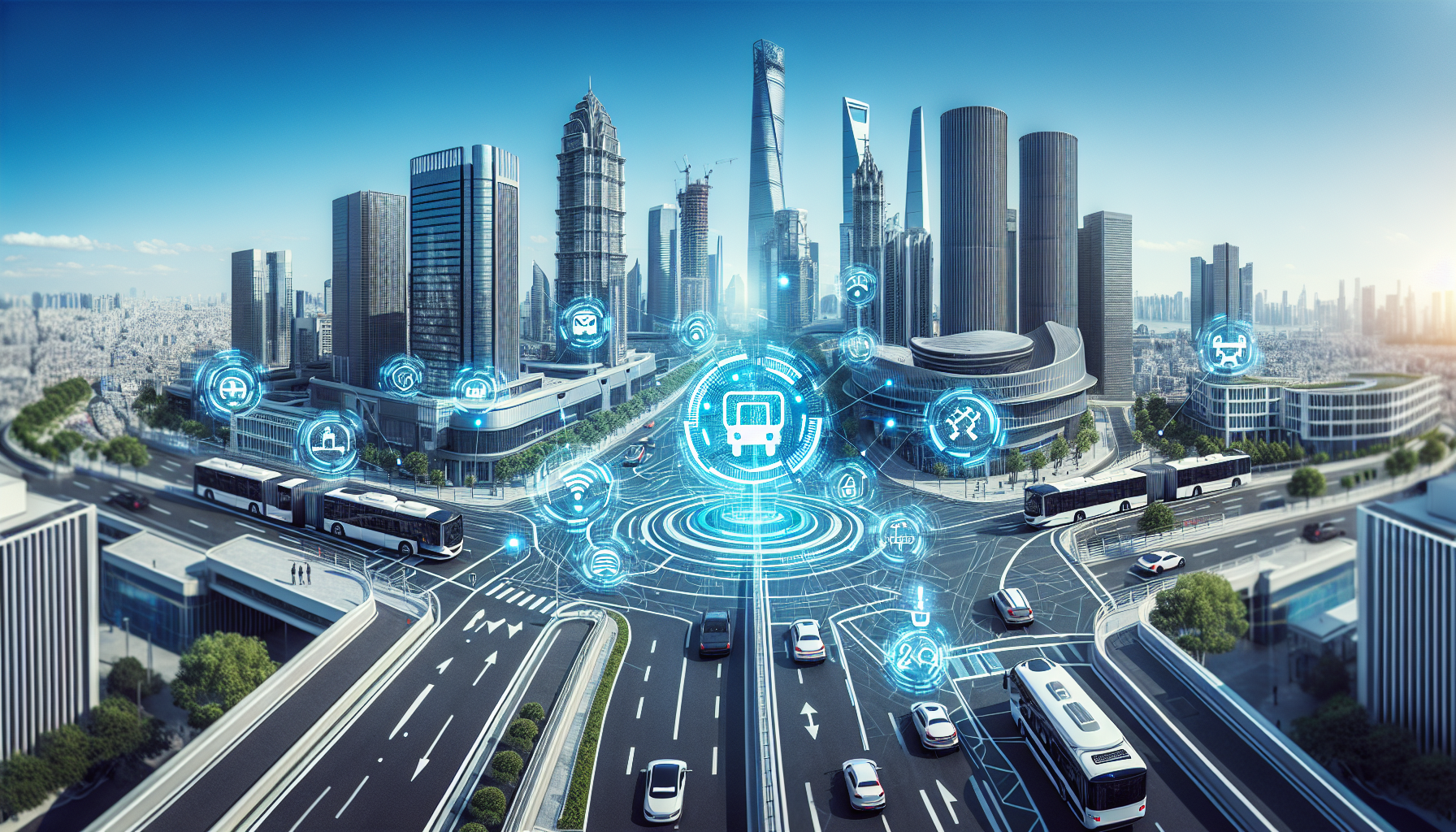
Autonomous public transportation is no longer a distant possibility, but a rapidly materializing reality, thanks to the advancements in AI technology. Current implementations of AI in transit systems include:
- Autonomous Buses: These vehicles navigate complex urban environments using a suite of sensors and onboard computers.
- AI-Managed Traffic Systems: Smart traffic management systems utilize AI to optimize traffic flow, reducing congestion and improving timeliness.
- Predictive Maintenance: Machine learning algorithms predict when parts of a vehicle are likely to fail, permitting proactive maintenance and reducing downtime.
Benefits of AI-Integrated Systems
Integrating AI into public transportation can lead to several key benefits such as:
- Enhanced Safety: AI systems can reduce human error, which is a leading cause of accidents in traditional transit systems.
- Improved Efficiency: AI can optimize routes and schedules, leading to reduced energy consumption and faster travel times.
- Increased Accessibility: AI-driven systems can provide personalized assistance to passengers, enhancing accessibility for elderly and disabled individuals.
Challenges and Concerns
Ethical and Privacy Issues
As AI systems collect and process vast amounts of data, there are significant concerns regarding privacy and data protection. Cities will need to establish clear policies to address these issues.
Technical Challenges
Deploying autonomous systems poses technical challenges, including the integration with existing infrastructure and the need for robust fail-safe mechanisms.
Economic and Social Impacts
While AI can streamline operations, there is also the potential for significant disruptions in employment and social structures. Policymakers must consider these factors to ensure a smooth transition.
Looking Ahead: The Future of AI in Public Transit
Next-Generation Innovations
The future of AI in public transit looks promising with upcoming technologies like:
- Vehicle-to-Infrastructure Communication: Advanced AI algorithms could allow vehicles to communicate with urban infrastructure, further improving traffic management and safety.
- Fully Integrated Transportation Networks: AI could enable a seamless integration of various modes of transit, creating a unified, efficient, and user-friendly transportation system.
Strategic Implementations
To successfully implement AI in public transportation, cities must:
- Develop comprehensive AI strategies that include stakeholder engagement and phased deployments.
- Invest in training and development to equip the workforce with the necessary skills to manage and maintain AI systems.
Conclusion
The integration of AI into public transportation will likely continue to evolve, promising not only enhanced operational efficiencies but also significant improvements in safety and passenger services. While challenges remain, the strategic application of AI technologies holds the potential to transform public transit systems worldwide, heralding a new era of smart, autonomous urban mobility.