Integrating Machine Learning in Game Development: Strategies for Creating Smarter Games in 2024 and Beyond
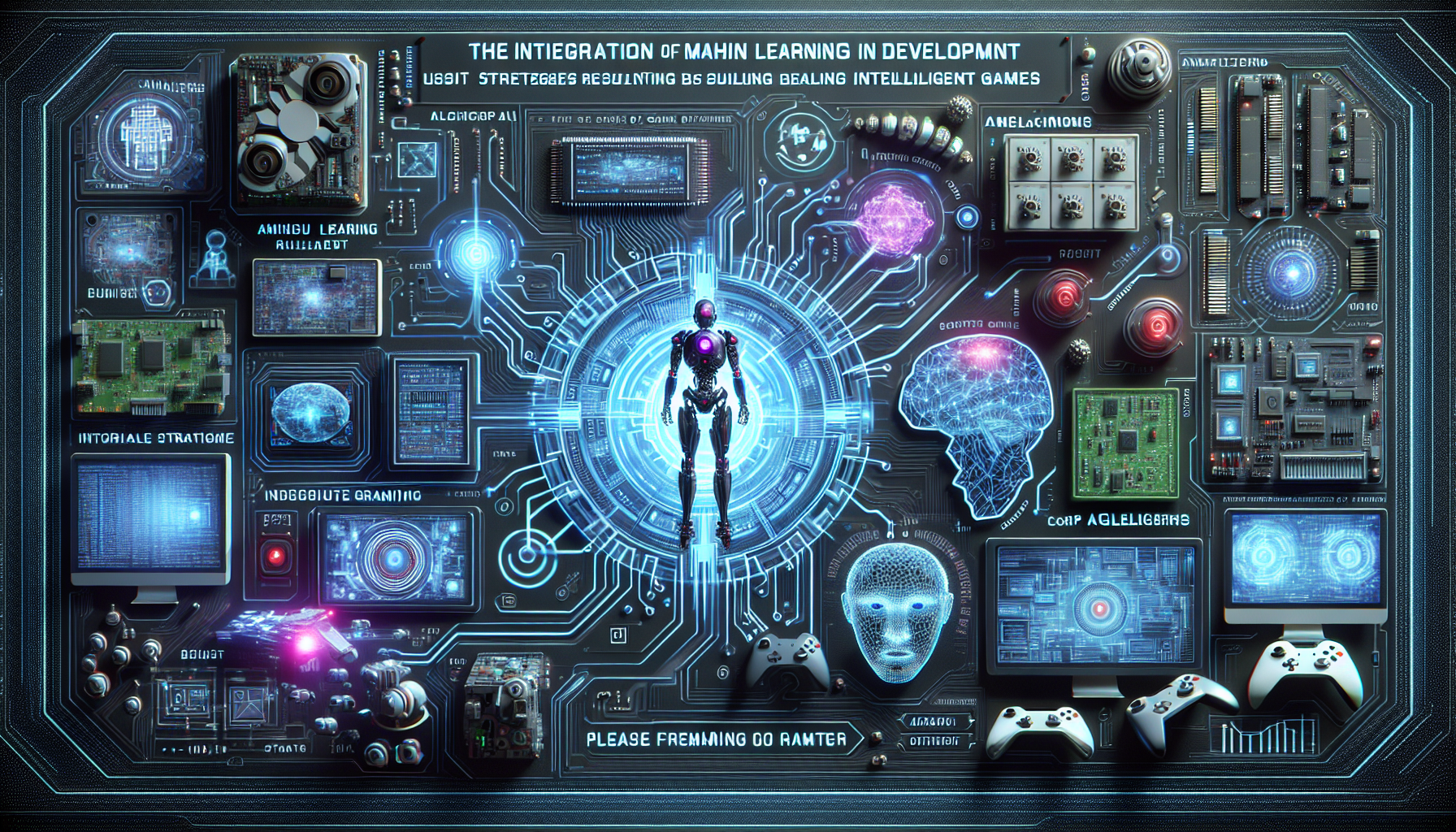
As video games continue to evolve, integrating advanced technologies like machine learning (ML) presents numerous possibilities for enhancing game mechanics, personalizing player experiences, and improving game realism. In this blog post, we will explore essential strategies that developers can use to integrate ML into game development effectively in 2024 and beyond.
Understanding the Role of Machine Learning in Game Development
What is Machine Learning?
Machine learning is a subset of artificial intelligence that focuses on building systems that learn from and make decisions based on data. In the context of game development, ML can be employed to create more realistic and engaging gameplay experiences.
Benefits of Machine Learning in Games
- Enhanced realism: ML can simulate realistic environments and character behaviors, making games more immersive.
- Improved AI opponents: ML algorithms can create AI that learns and adapts to the player’s strategies.
- Personalized experiences: ML can analyze player behavior to customize game elements for individual players.
Strategies for Implementing Machine Learning in Game Development
Setting Clear Objectives
Before integrating ML, it’s crucial to identify what you want to achieve with it. Whether it’s improving game AI, creating dynamic environments, or personalizing content, having clear goals will guide your implementation strategy.
Selecting the Right Tools and Platforms
Choosing appropriate ML frameworks and tools is essential. Popular choices include TensorFlow, PyTorch, and Unity Machine Learning Agents (ML-Agents). Each platform has its strengths and is suited to different types of tasks.
# Example of integrating an ML model in Unity
from unityml.agents import PPOTrainer

trainer = PPOTrainer(environment_name='YourGameEnvironment', worker_id=1)
trainer.train()
Leveraging Data Effectively
High-quality data is crucial for training ML models. In gaming, this data can come from player interactions, game metrics, or simulated environments. Ensuring the data is diverse and representative is key to effective model training.
Continuous Testing and Iteration
Machine learning models can behave unpredictably. Regular testing and iteration are necessary to refine these models, ensuring they perform as intended in real game scenarios.
Future Trends and Innovations in ML for Game Development
Looking ahead, several trends are likely to shape how ML is integrated into game development:
- Procedural content generation: Using ML to dynamically create game levels and story arcs.
- Expressive AI characters: Enhancing non-player characters (NPCs) with more complex behaviors and interactions.
- Adaptive learning environments: Customizing learning games based on user progress and learning styles.
Conclusion
Integrating machine learning into game development offers a unique opportunity to push the boundaries of what games can offer. By setting clear goals, selecting the right tools, effectively using data, and continuously testing and adapting, developers can create distinctly innovative and engaging gaming experiences. As we move further into 2024 and beyond, embracing these strategies will be crucial for developers looking to leverage the full potential of machine learning in their games.