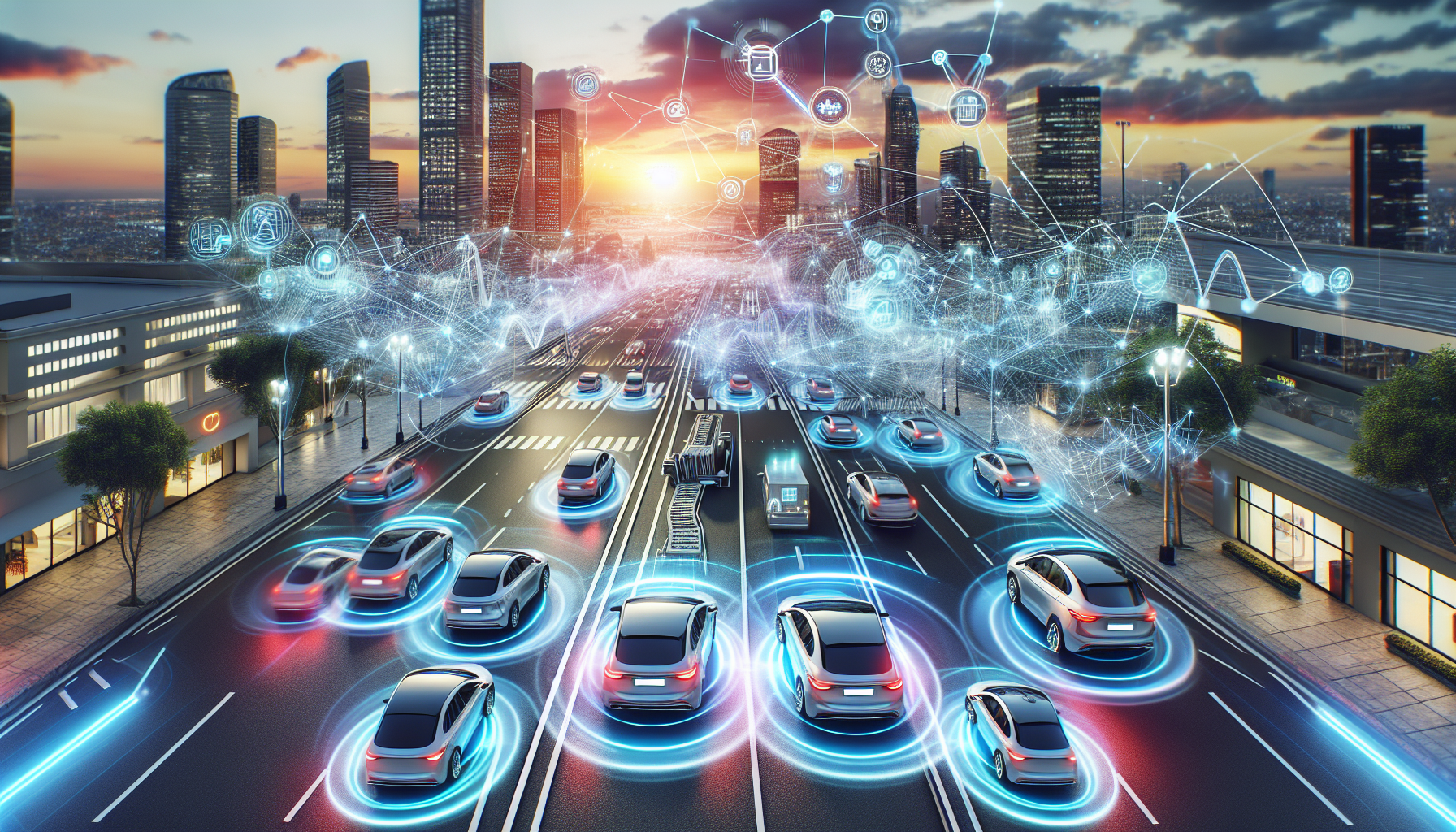
AI in Autonomous Vehicles: Navigating the Road Ahead – Insights into How AI and Machine Learning are Shaping the Future of Self-Driving Cars
Introduction
The dream of self-driving cars is swiftly becoming a reality, thanks to the rapid advancements in artificial intelligence (AI) and machine learning (ML). These technologies are not only enhancing vehicle automation but are also promising safer, more efficient, and environmentally friendly transportation systems. This blog post delves into how AI and ML are integral to developing autonomous vehicles and what the future may hold.
Understanding AI and Machine Learning in Autonomous Vehicles
AI and Machine Learning: The Backbone of Autonomous Systems
AI and ML are at the core of autonomous vehicle technology. These systems rely on complex algorithms and neural networks that emulate human decision-making processes. Some of the key applications include:
- Perception: AI algorithms process data from vehicle sensors (like cameras, radar, and lidar) to identify and classify objects in the environment.
- Decision Making: Based on the processed information, AI helps the vehicle make decisions in real-time, such as when to stop, speed up, or avoid obstacles.
- Navigation: AI systems calculate the optimal route to the destination, adjusting in real-time to traffic conditions and road closures.
Training and Testing Machine Learning Models
Machine learning models in autonomous vehicles are typically trained on vast datasets that include various driving scenarios and conditions. The training involves:
- Supervised Learning: Where models learn from labeled data, such as images of street signs or pedestrians.
- Unsupervised Learning: Where models identify patterns and anomalies in data without predefined labels.
- Reinforcement Learning: Where algorithms learn to make sequences of decisions by interacting with a dynamic environment.
Ensuring the reliability and safety of these models involves rigorous testing in both simulated environments and real-world trials.
Challenges and Future Perspectives
Current Challenges
The path to fully autonomous vehicles is not without challenges. Major issues include:
- Technical Limitations: Such as the need for improvement in sensor technology and AI algorithms.
- Regulatory Issues: Establishing laws and regulations that safely integrate autonomous vehicles into current traffic systems is complex and varies by region.
- Ethical Concerns: AI decision-making processes must be transparent and fair, raising questions about accountability in accidents.
Looking Forward: AI Innovations and Their Impact
As AI technology advances, the future of autonomous vehicles looks promising with potential innovations such as:
- Improved AI Algorithms: Enhancements in machine learning models that allow for more accurate predictions and decisions.
- V2X (Vehicle-to-Everything) Communication: Integrating AI systems that enable vehicles to communicate with each other and with road infrastructure, improving coordination and safety.
- Adaptive Learning Systems: AI systems that can adapt to individual driving habits and environmental changes, providing a more personalized driving experience.
Conclusion
AI and machine learning are not just contributing to the technological evolution of autonomous vehicles; they are paving the way for a revolution in transport that prioritizes safety, efficiency, and sustainability. While there are hurdles to overcome, the ongoing innovations in AI provide a hopeful outlook for the future of transportation. Navigating this road will require continued advancement in AI technologies, thoughtful regulation, and robust ethical standards.