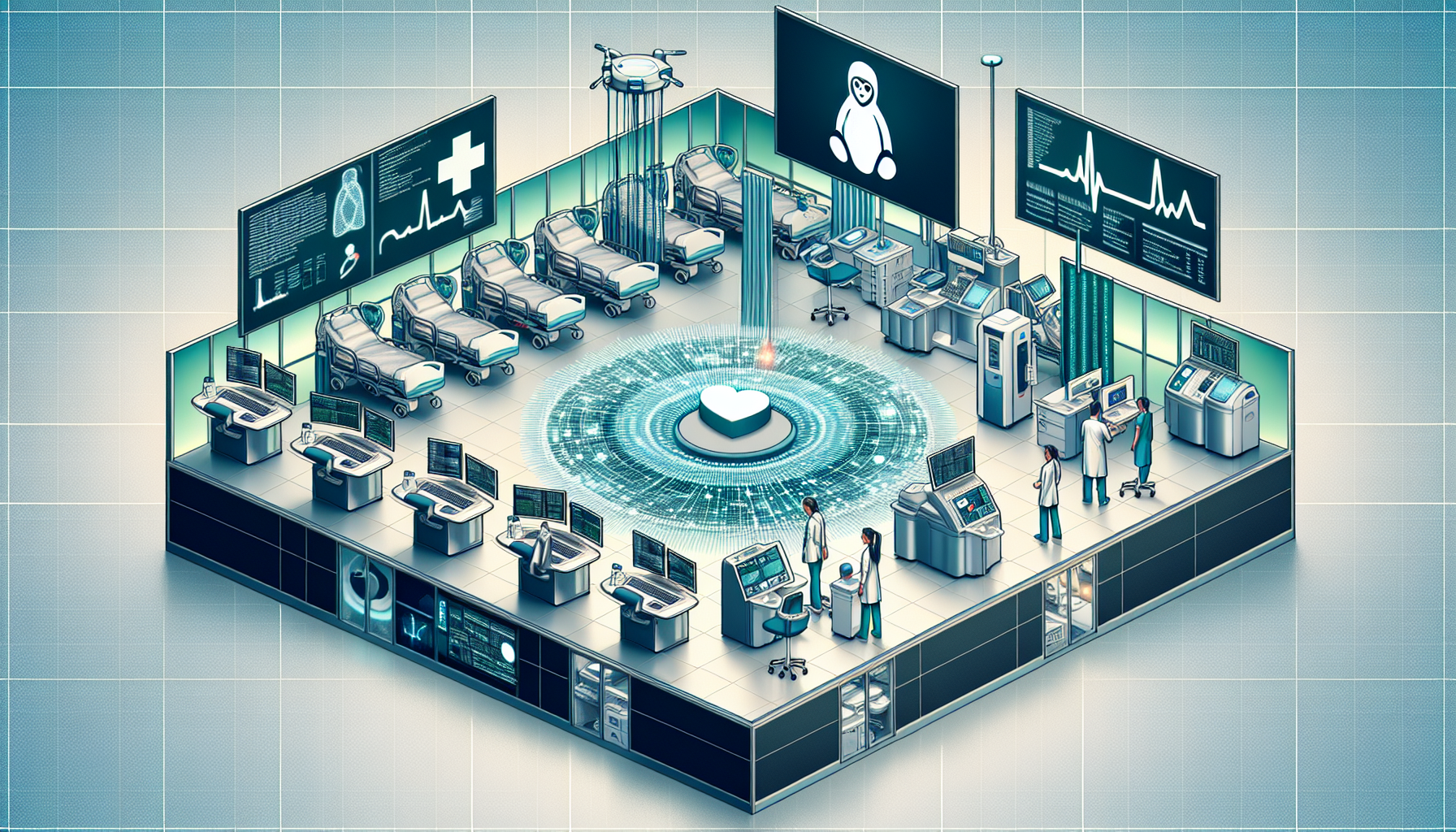
Transformative Potential of Linux in Healthcare: Securing and Streamlining Medical Device Software
Introduction
The healthcare industry is increasingly reliant on digital technology, and medical devices are at the heart of this transformation. Ensuring these devices are secure, reliable, and efficient is paramount. Linux, known for its robustness and security, offers a compelling solution for powering medical device software. This post delves into how Linux is being used to redefine the development and operation of medical devices in healthcare.
Linux in Healthcare
Why Linux?
Linux offers several advantages that make it suitable for use in healthcare, which includes medical devices:
- Open Source Nature: Linux’s open-source framework supports customization and transparency, critical in healthcare where compliance and standards are crucial.
- Security: Linux is recognized for its strong security features, which are essential in protecting sensitive medical data.
- Reliability: Known for its stability and reliability, Linux operates continuously without the risk of frequent crashes, beneficial for devices that require high up-time.
- Cost-effectiveness: Without the high licensing fees associated with other operating systems, Linux reduces costs for healthcare providers.
Linux in Medical Devices
Linux is increasingly being adopted in medical devices for several reasons, including:
- Scalability: Linux can be scaled to suit high-performance systems as well as smaller devices like wearable technologies.
- Community Support: The vast developer community around Linux contributes continuously toward enhancements and maintenance, which accelerates innovation and troubleshooting.
- Compatibility: Linux supports a wide range of hardware platforms, making it a versatile choice for various types of medical devices.
Implementing Linux in Medical Devices
While the integration of Linux into medical devices is advantageous, it involves several critical steps:
- Customization: Tailoring Linux to meet the specific needs of medical devices, ensuring compliance with medical standards like FDA regulations for medical software.
- Security Enhancements: Implementing additional security patches and regular updates to safeguard sensitive data and device functionality.
- Testing and Validation: Rigorous testing to ensure the software meets all necessary medical and safety standards before deployment.
- Maintenance: Establishing a schedule for regular updates and support to ensure longevity and reliability.
Case Studies
Example Medical Devices Using Linux
- Infusion Pumps: Some smart infusion pumps use Linux to handle complex dosing calculations and network communications securely.
- Imaging Systems: Major manufacturers of imaging systems such as MRI and CT scanners have utilized Linux to enhance image processing capabilities and interconnectivity with health systems.
Conclusion
The use of Linux in medical devices is a transformative movement in the healthcare industry. By leveraging its open-source nature, security, and reliability, Linux offers a robust platform for the development and operation of medical devices. Implementing Linux not only helps streamline development processes but also enhances the security and efficiency of medical devices, ultimately leading to improved patient care and reduced costs.