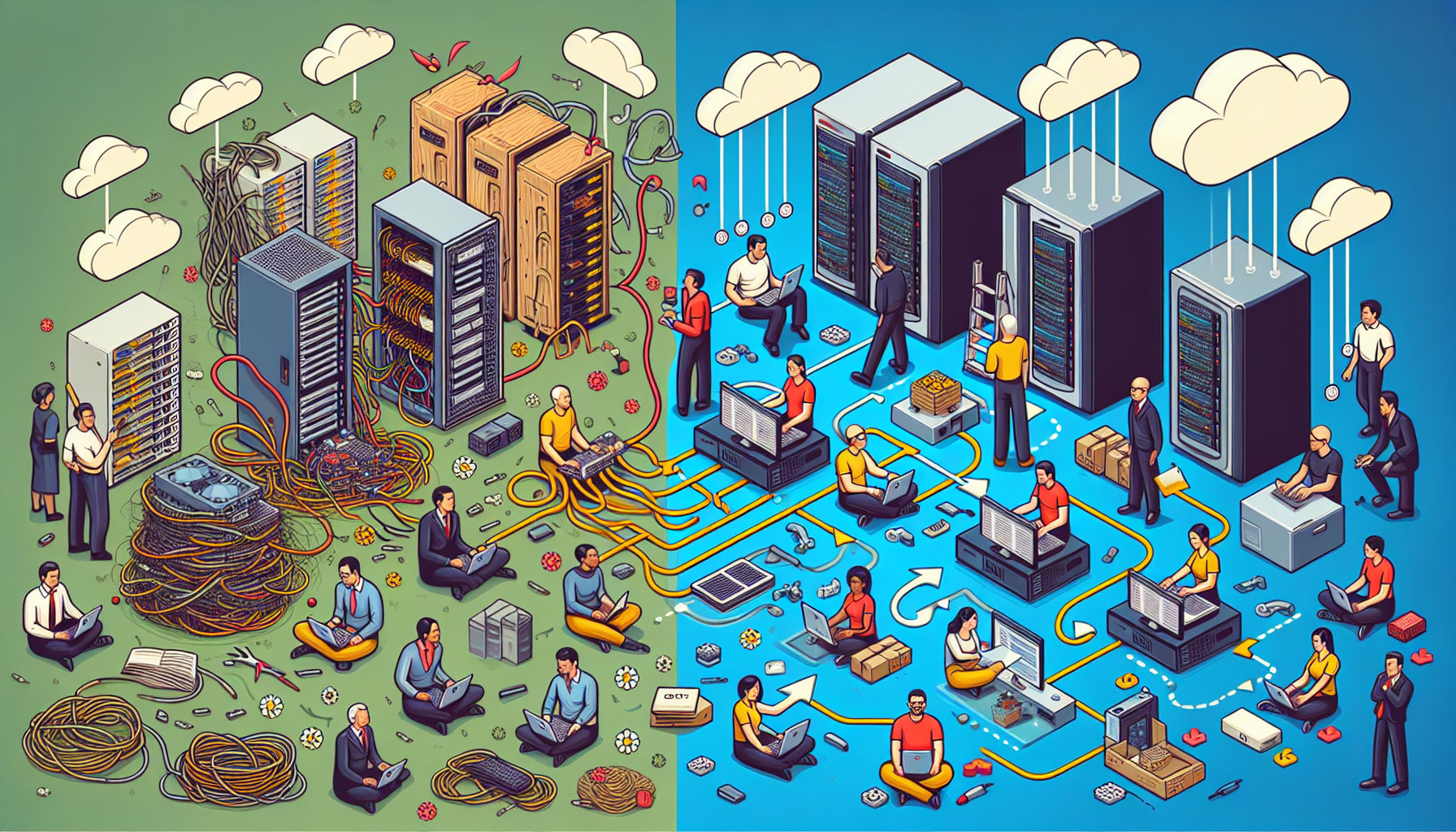
DevOps Transformation: Strategies for Transitioning Traditional IT into High-Performing DevOps Cultures
Introduction
DevOps has emerged as a key paradigm to enhance the agility and performance of IT operations. This integrated approach combines software development (Dev) and IT operations (Ops) to streamline processes, facilitate faster deployment, and enhance product quality. However, transitioning from a traditional IT approach to a robust DevOps culture isn’t just about adopting new tools and practices; it’s about transforming the fundamental way organizations function.
Understanding the Case for Change
Why Shift to DevOps?
- Increased Deployment Frequency: Faster time to market and continual deployment capabilities.
- Enhanced Collaboration and Communication: Strong interdepartmental cooperation replacing siloed operations.
- Improved Quality and Reliability: Efficient early detection and fixing of defects.
- Cost Efficiency: Resource optimization and waste reduction leading to lowered costs.
Strategic Roadmap for Transition
Assessment and Planning
- Conduct a Baseline Assessment: Evaluate current processes, capabilities, and culture.
- Define Objectives and KPIs: Clear goals and measurable objectives to track progress.
- Create a Phased Transition Plan: Break down the transformation into manageable phases focusing on specific outcomes.
People and Culture
- Foster a Culture of Collaboration: Emphasize on collaborative work environment and team cross-functionality.
- Champion Change Leaders: Identify and empower internal advocates for DevOps methodologies.
- Invest in Education and Training: Conduct workshops and training sessions to upskill team members.
Technology and Practices
- Adopt Automation Tools: Integrate tools for continuous integration (CI) and continuous deployment (CD).
# Example of a basic CI pipeline
pipeline:
  build:
    runs-on: ubuntu-latest
    steps:
    - uses: actions/checkout@v2
    - name: Build application
      run: make build

  deploy:
    needs: build
    runs-on: ubuntu-latest
    steps:
    - name: Deploy to production
      run: make deploy
- Implement Continuous Feedback Mechanisms: Utilize monitoring tools to enable real-time feedback and adjustments.
Overcoming Common Challenges
Resistance to Change
- Communicate the Benefits: Ensure transparency about the benefits and positive outcomes of DevOps practices.
- Provide Support and Resources: Adequate support mechanisms to help staff during transition.
Technical Difficulties
- Gradual Implementation of Tools: Start with basic tools and gradually introduce more complex systems as the team gains proficiency.
Conclusion
Shifting to a DevOps culture is not merely about technical changes but a comprehensive organizational transformation. By prioritizing collaboration, education, and incremental change, businesses can effectively transition from traditional IT practices and thrive in today’s dynamic digital landscape.