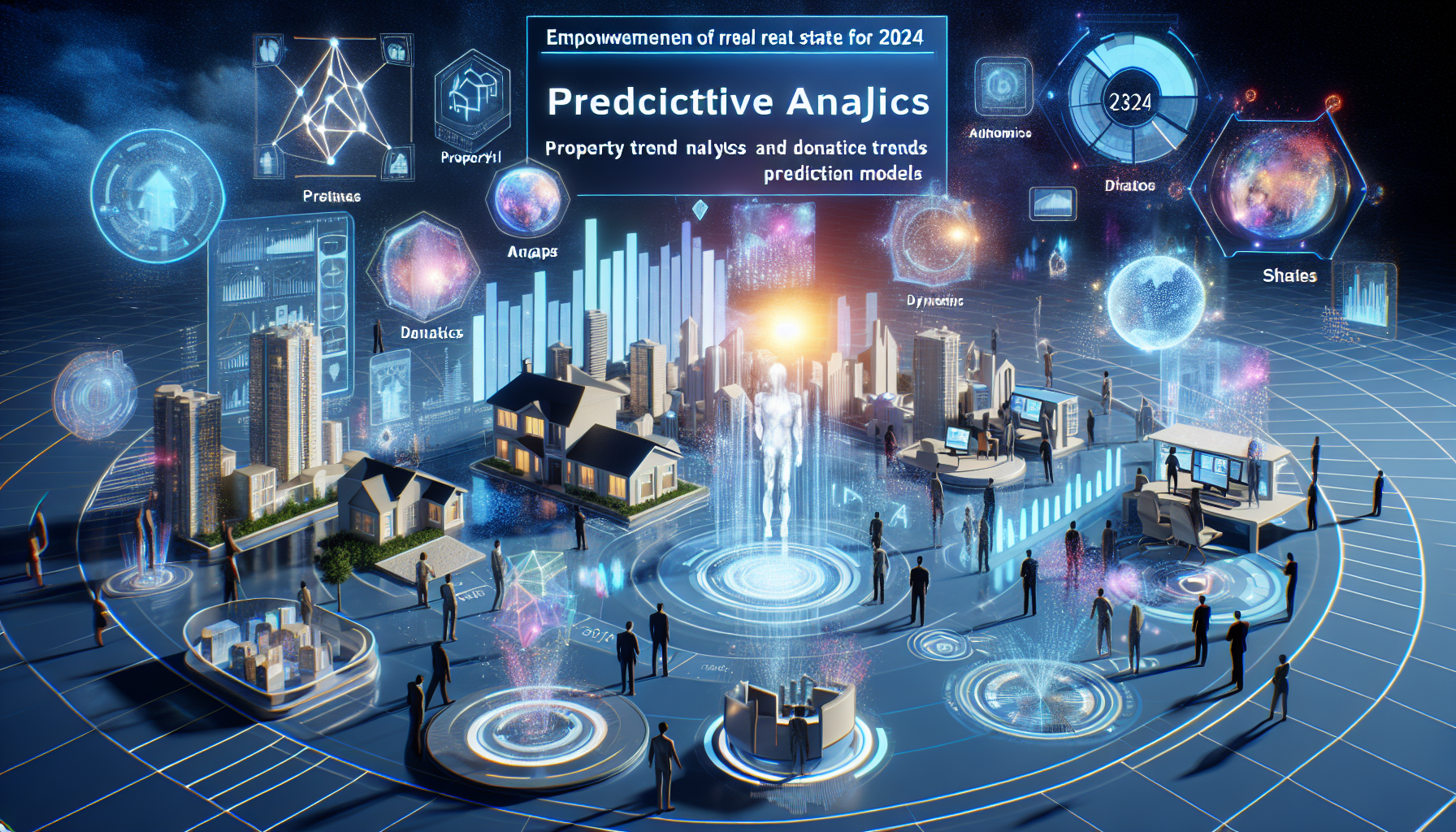
Empowering AI-Driven Predictive Analytics in Real Estate: Trends and Tools for 2024
The integration of Artificial Intelligence (AI) in various industries has drastically transformed traditional methodologies, paving the way for enhanced efficiency and strategic decision-making. The real estate sector, in particular, has experienced a significant shift owing to AI-driven predictive analytics. As we look into 2024, it is vital to understand the imminent trends and the tools that are reshaping this landscape.
The Ascendance of AI in Real Estate
Why Predictive Analytics?
Predictive analytics leverage historical data, statistical algorithms, and machine learning techniques to forecast future trends. In real estate, this means:
- Improved accuracy in property valuation: AI algorithms analyze vast amounts of data including past transaction prices, neighborhood demographics, and even the condition of physical assets to provide more precise property valuations.
- Optimized investment decisions: Investors can identify potential hotspots and undervalued properties, assessing the risks and returns more effectively.
- Enhanced customer personalization: By understanding client preferences and behaviors, businesses can tailor their offerings, thus increasing client satisfaction and retention.
Current Trends in AI-Driven Real Estate Analytics
- Integration of Big Data: With IoT devices and online interaction, the amount of data available has exploded. This data is now being integrated into predictive models to enhance accuracy and depth of insights.
- Adoption of Cloud Technology: Cloud platforms facilitate the scalable, on-demand deployment of AI tools, making advanced analytics accessible to companies of various sizes.
- Focus on Sustainability: AI helps in planning and developing properties keeping sustainability at the core, by predicting energy needs and optimizing building designs for environmental efficiency.
Top Predictive Analytics Tools for 2024
Tool Categories
- Data Management Tools: Essential for the accurate and secure handling of large sets of data.
- Machine Learning Platforms: These tools are where the actual predictive modeling happens.
- Visualization Software: Helps in interpreting the results of predictive analytics into actionable insights.
Leading Tools and Platforms
- Alteryx: Offers a suite of tools for analytics, including data blending and advanced predictive analytics.
- Tableau: Best known for its leading visualization capabilities, it also integrates predictive analytics features.
- R and Python Libraries: Open-source and highly powerful, these programming languages are preferred for custom predictive analysis models in real estate.
Conclusion
As 2024 approaches, harnessing the power of AI-driven predictive analytics will be crucial for those in the real estate industry. These tools and trends not only simplify complex processes but also provide a competitive edge by forecasting market dynamics efficiently. Real estate professionals must adapt to these changes swiftly to maximize their strategic outcomes and sustain growth in an increasingly digitalized world.